
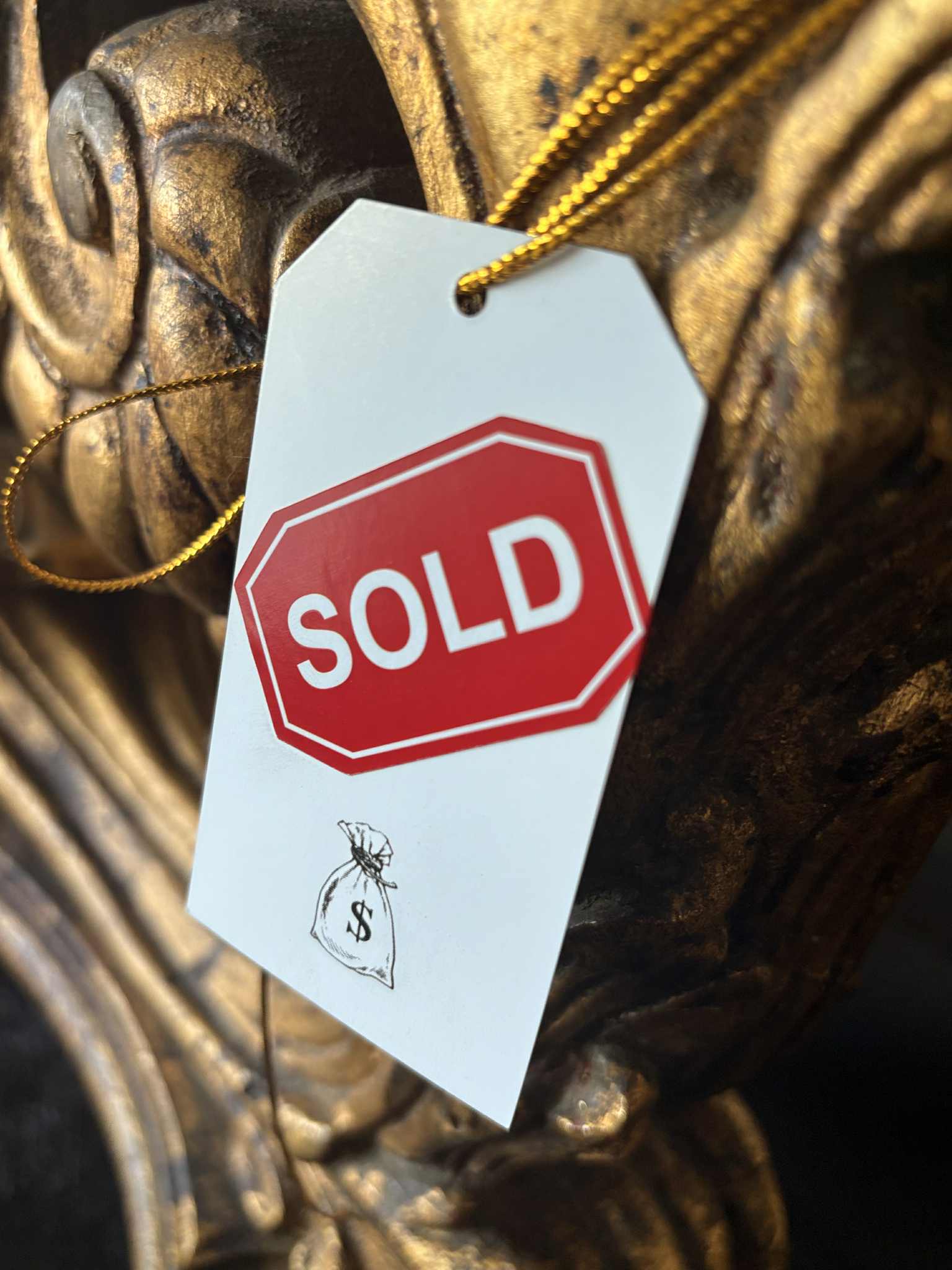
If you've never been through an estate sale before, the whole thing can feel like a black box. You know you have a house full of stuff. You know you need help. But what actually happens between the first phone call and the moment you deposit the check?
Here's the full timeline, step by step. No surprises.
Step 1: The Initial Conversation
It starts with a phone call or a form submission. You tell the estate sale company your situation -- downsizing, settling an estate, moving, divorce, whatever the reason. They'll ask about the size of the home, the general contents, your timeline, and whether you've already removed anything you want to keep.
This is a two-way interview. You're evaluating them just as much as they're evaluating the job. Pay attention to how they communicate. Are they patient? Do they answer your questions directly? Do they seem rushed? The way a company handles the first call tells you a lot about how they'll handle the sale itself.
Step 2: The Walkthrough
This is where the company comes to your home and sees what they're working with. A good estate sale company will walk through every room, open cabinets and closets, check the garage and attic, and get a full picture of the contents. They're not being nosy -- they're building a plan.
During the walkthrough, they'll give you a general sense of what your items are worth and how the sale would work. They should explain their commission rate, their timeline, and exactly what they'll handle. If they rush through the house in 15 minutes and hand you a contract, that's a red flag. A proper walkthrough takes time because doing the job right takes preparation.
Step 3: The Contract
Once you decide to move forward, you'll sign an agreement. This should clearly spell out the commission percentage, the sale dates, what the company will handle, and what happens to unsold items. Read it carefully. Ask questions about anything you don't understand. A good company welcomes questions -- they don't rush you past the fine print.
Step 4: Sorting, Pricing, and Staging
This is where the real work begins -- and you don't have to do any of it. The estate sale team comes into the home and sorts through everything. They organize items by category, research values for anything notable, and price each piece. Then they stage the home so it feels like a curated shopping experience rather than a cluttered house.
Good staging makes a real difference. Buyers spend more time and more money in a space that feels intentional. Furniture gets arranged. Glassware gets displayed. Art gets hung at eye level. It's not decorating for Instagram -- it's merchandising for results.
Swan Estates handles every step. We sort, price, stage, market, run the sale, and clean up afterward. You don't lift a finger. That's the whole point.
Step 5: Marketing the Sale
Before the doors open, the company should be driving buyers to your sale. That means listings on estate sale platforms, social media posts with photos of standout items, email blasts to their buyer list, and signage in the neighborhood. The more buyers who show up, the better your results. Ask your company what their marketing plan looks like -- it should be specific, not vague promises about "getting the word out."
Step 6: Sale Days
Most estate sales run two to three days, typically Thursday through Saturday or Friday through Sunday. The first day draws the most serious buyers -- collectors, dealers, and people who know exactly what they're looking for. Prices are firm on day one.
Day two brings a broader crowd. Some companies offer small discounts on the second day to keep traffic moving. By the final day, deeper discounts help clear out remaining items. The goal is to sell as much as possible while getting fair prices across the board.
During the sale, the company's team staffs the home. They answer questions, handle negotiations, process payments, and keep everything organized and secure. You don't need to be there. In fact, most companies prefer you aren't -- buyers shop more freely when the homeowner isn't watching.
Step 7: After the Sale
When the last buyer walks out, the work isn't done. A good company handles what's left. That might mean coordinating donation pickups, arranging consignment for higher-value unsold items, or providing clean-out services. The specifics depend on your company and your situation, but the bottom line is simple: you should not be left with a mess to deal with.
Within a few days of the sale, you'll receive a detailed accounting of everything that sold and a check for your share. The breakdown should be clear -- you should know exactly what sold, for how much, and how the commission was calculated.
Common Misconceptions
A few things people get wrong about estate sales:
- "I need to clean out the house first." You don't. In fact, please don't throw things away before the walkthrough. Items you think are worthless might have real value. Let the professionals sort it out.
- "Estate sales are only for expensive homes." Not true. Estate sales work for homes of all sizes and price ranges. A well-organized sale of everyday household items can still generate thousands of dollars.
- "I have to be there during the sale." You don't, and it's usually better if you're not. The team handles everything. You'll get a full report when it's over.
- "The sale company keeps everything that doesn't sell." No. Unsold items are yours. A good company will help you figure out what to do with them, but they don't just claim your belongings.
The Bottom Line
An estate sale should take things off your plate, not add to your stress. The right company handles the heavy lifting so you can focus on whatever comes next -- whether that's a move, a transition, or just closing a chapter. If the process feels confusing or high-pressure, you're probably talking to the wrong company.
Have questions about how it works? Reach out for a free consultation or call 904-755-4409. We'll walk you through it.